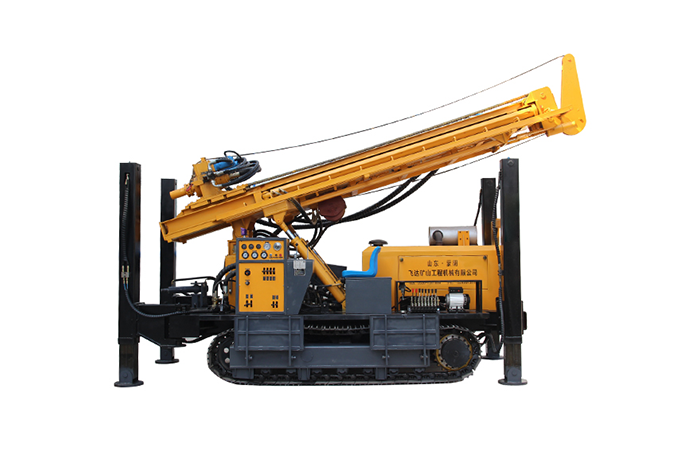
Water well drilling rigs come in different sizes, power levels, and configurations. For buyers, choosing between a small portable water well rig and a large heavy-duty drilling system is one of the most important decisions.
This guide explains the key differences, advantages, and ideal applications for both types so you can select the best machine for your project and budget.
| Feature | Small Water Well Drilling Rig | Large Water Well Drilling Rig |
|---|---|---|
| Typical Depth Capability | 30–150 m | 150–1000+ m |
| Power System | Diesel engine / electric / gasoline | High-power diesel or hydraulic system |
| Mobility | Trailer-mounted, crawler, or portable | Truck-mounted, crawler |
| Operating Cost | Low | High |
| Drilling Speed | Moderate | Fast |
| Suitable Terrain | Rural, farmland, narrow spaces | Mountain areas, hard rock, industrial sites |
Small or mini rigs are widely used for personal, agricultural, and light commercial drilling.
Low cost and fuel consumption
Easy to transport and operate
Ideal for rural or narrow drilling sites
Can be operated by smaller crews
Lower maintenance and spare parts cost
✔ Domestic water wells
✔ Farmland and irrigation wells
✔ Garden and backyard drilling
✔ Geological surveys
✔ DIY and developing country markets
Small rigs are especially popular among start-up drilling businesses and private users.
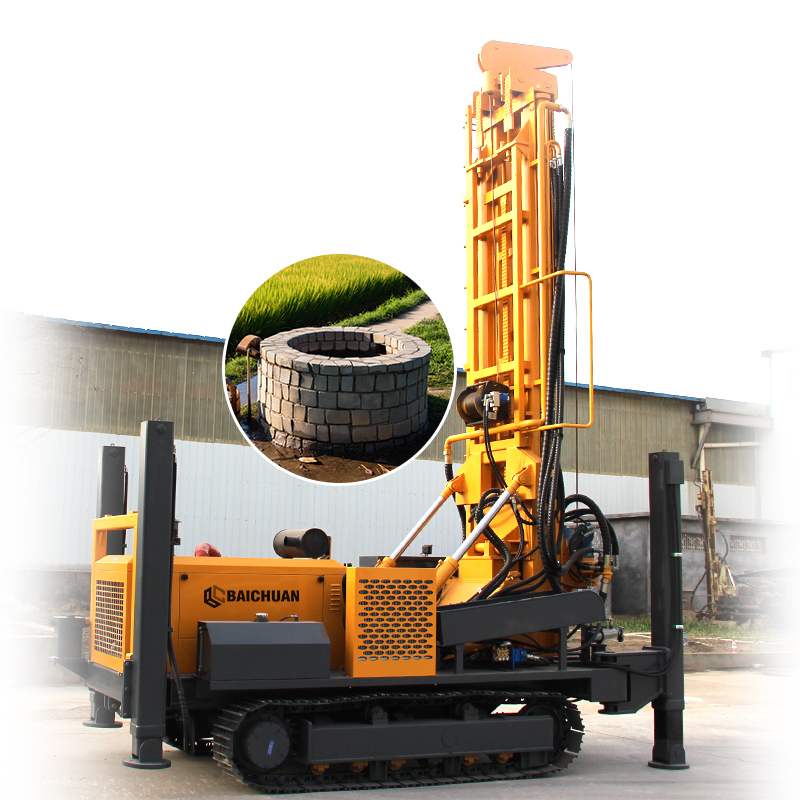
Large rigs are designed for professional deep drilling operations.
High drilling depth and diameter
Powerful hydraulic / pneumatic system
Suitable for hard rock formations
Faster drilling speed
Capable of continuous heavy-duty operation
✔ Municipal or commercial water supply wells
✔ Industrial boreholes
✔ Mining & geothermal drilling
✔ Deep rock formation drilling
✔ Oil, gas & large engineering projects
Large rigs are the preferred choice for drilling contractors, government projects, and high-volume operations.
Small rigs often use manual or light hydraulic systems
Large rigs operate with high-pressure hydraulic or top-drive systems
Small rigs: Mud pump, auger drilling, light DTH
Large rigs: Reverse circulation, high-pressure DTH, full hydraulic rotary
Small: Can be loaded on pickup or small trailer
Large: Requires truck chassis or crawler transport
Large rigs often include:
Automatic rod handling
Electronic monitoring systems
High-torque rotary drives
Small rigs are usually more basic and manual.
Consider the following:
Max drilling depth required
Soil and rock conditions
Transportation & site accessibility
Budget and operating cost
Usage frequency (daily vs occasional)
Required borehole diameter
If you need a low-cost, lightweight solution → Choose a small rig.
If you need deep, efficient production drilling → Choose a large rig.
| Category | Small Rig | Large Rig |
|---|---|---|
| Purchase Price | Low | High |
| Fuel Use | Low | High |
| Maintenance | Simple & cheap | Professional service needed |
| Crew Requirement | 1–3 people | 3–6 people |
| Return on Investment | Fast | Long-term |
Small and large water well drilling rigs each have their own strengths.
Small rigs are best for light-duty drilling, personal wells, and shallow applications.
Large rigs excel in deep, industrial, and hard rock drilling projects.
Choosing the right rig depends on your budget, depth requirements, terrain, and long-term business goals. With the right equipment selection, you can improve drilling efficiency, reduce operational costs, and achieve better well quality.

Baichuan (Zhengzhou) Intelligent Equipment Manufacturing Co., Ltd.
Email:[email protected]