Improving drilling efficiency directly affects:
Fuel consumption and operating costs
Drilling time and project timelines
Equipment lifespan and repair frequency
Final well quality and water output
A well-operated drilling rig can save thousands of dollars annually and deliver more consistent performance in harsh working environments.
Different geological formations require different drilling techniques:
Rotary drilling: for deep or mixed soil layers
DTH drilling: for hard rock
Mud drilling: for loose formations
Selecting the correct method prevents equipment overload and increases penetration speed.
Adjust:
Rotary speed (RPM)
Downward pressure
Mud or air volume
Bit size and type
Correct settings reduce wear on the drill bit and improve rock fragmentation efficiency.
The right fluid or compressor setup helps:
Cool the bit
Remove cuttings
Stabilize the borehole
Poor fluid quality leads to blockages, stuck pipes, and safety hazards.
The rig must be leveled and stabilized before drilling. A misaligned setup causes:
Slow penetration
Excessive vibration
Premature component damage
Before starting work, check:
Hydraulic leaks
Hose connections
Drill pipe straightness
Bit condition
Lubrication points
A 5-minute inspection can prevent hours of downtime.
Mud, dust, and sand can damage internal components. Regular cleaning helps avoid:
Hydraulic contamination
Overheating
Corrosion
Common expendables include:
Drill bits
Hammer components
Seals and O-rings
Filters
Bearings
Running a worn bit or hammer drastically reduces penetration rate and increases fuel consumption.
Apply grease to gears, bearings, and moving joints at the recommended intervals.
Tip: Always use lubricants recommended by the manufacturer.
Dirty fuel or clogged air filters reduce rig power output. Clean or replace them regularly for maximum drill force.
Even the best rig cannot perform well without a skilled operator. Qualified operators can:
Identify early signs of failure
Adjust drilling parameters based on geology
Prevent damage by proper handling
Improve drilling speed by optimizing feed pressure and rotation
Investing in training often delivers the highest ROI in drilling operations.
❌ Using the wrong bit type for the geology
❌ Overworking the rig beyond capacity
❌ Ignoring abnormal sounds or vibration
❌ Skipping lubrication or inspections
❌ Poor casing installation leading to stuck pipes
Avoiding these mistakes can save time, fuel, and mechanical wear.
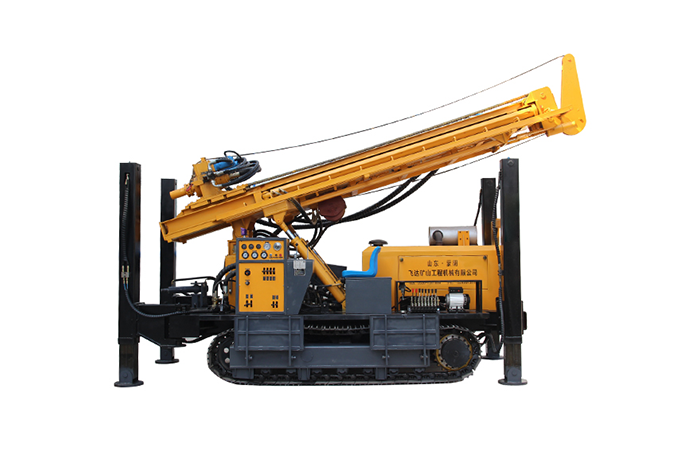
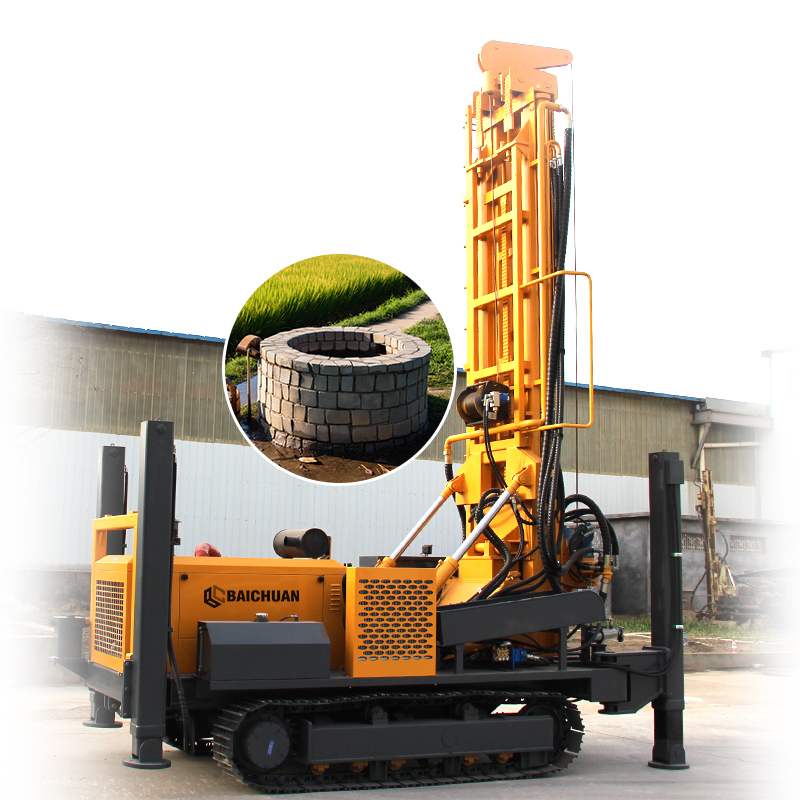
Improving drilling efficiency is not just about using a powerful water well drilling rig — it requires smart operation, preventive maintenance, quality components, and skilled personnel.
By following the tips above, drilling companies and independent operators can achieve:
Faster drilling speed
Lower maintenance costs
Longer rig service life
Higher well success rate
Whether you’re using a truck-mounted rotary rig or a hydraulic DTH borehole rig, efficiency always depends on how well the equipment is maintained and operated.



Baichuan (Zhengzhou) Intelligent Equipment Manufacturing Co., Ltd.
Email:[email protected]