What Are Welding Robots?
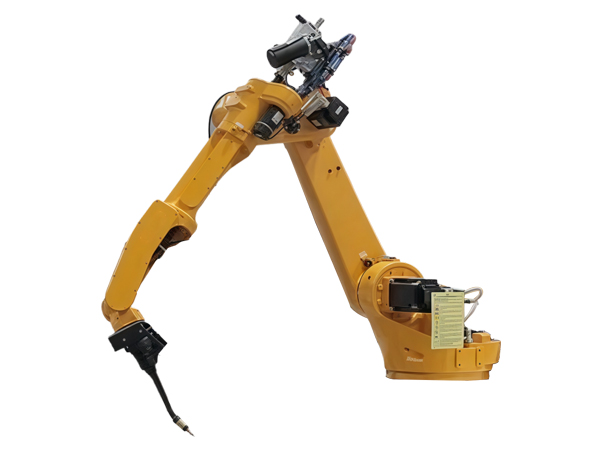
Welding robots are robotic systems programmed to perform welding tasks with high accuracy and speed. They are equipped with specialized welding tools, such as torches and electrodes, and are capable of performing different types of welding processes, including MIG (Metal Inert Gas), TIG (Tungsten Inert Gas), and arc welding. These robots are typically used in industries like automotive, aerospace, and construction, where high-quality welding is crucial.
Key Advantages of Welding Robots
Increased Efficiency: Welding robots can work continuously without the need for breaks, drastically increasing production speed. This allows companies to meet high-demand requirements without compromising on quality.
Precision and Consistency: Robots offer unparalleled precision in their movements, ensuring each weld is consistent and up to exact specifications. This level of accuracy reduces the risk of defects and enhances the final product's quality.
Cost Reduction: By reducing the need for manual labor and minimizing errors, welding robots help businesses cut down on operational costs. They also minimize material waste by optimizing the welding process.
Enhanced Worker Safety: Welding can be a hazardous process due to the intense heat, smoke, and fumes involved. By using robots, workers are kept away from dangerous conditions, improving overall safety in the workplace.
Flexibility and Versatility: Modern welding robots can be programmed to handle a wide range of tasks, from simple spot welding to complex multi-step processes. They can adapt to different materials and welding requirements, making them suitable for a variety of applications.
Applications of Welding Robots
Welding robots are used in a broad range of industries, but they are especially prevalent in sectors where precision and high-volume production are critical. Some common applications include:
Automotive Industry: Welding robots are extensively used in car manufacturing to weld parts like chassis, frames, and body panels. Their precision ensures the integrity and durability of each component.
Aerospace: In the aerospace sector, welding robots are used to assemble complex parts made from lightweight alloys, ensuring high strength and reliability.
Construction and Heavy Machinery: Welding robots are also used in the construction of heavy machinery and infrastructure, where they can perform high-quality welds on large-scale components.
The Future of Welding Robots
As technology continues to evolve, welding robots are becoming more sophisticated. Future advancements may include greater integration with artificial intelligence, allowing robots to learn and adapt to new welding techniques autonomously. Additionally, the development of collaborative robots (cobots) will enable robots to work alongside human operators, further improving flexibility and productivity.
In conclusion, welding robots are driving the transformation of the manufacturing industry. Their ability to deliver consistent, high-quality results at speed makes them invaluable assets in many industries, ensuring that businesses remain competitive in an increasingly automated world.

Baichuan (Zhengzhou) Intelligent Equipment Manufacturing Co., Ltd.
Email:[email protected]