Choosing the right water well drilling rig is a critical decision that directly affects drilling efficiency, project cost, and long-term performance. With many types of drilling rigs available on the market, understanding your project requirements is essential to selecting the most suitable machine.
This guide will help you determine which water well drilling rig you should choose, based on drilling depth, geological conditions, mobility needs, and budget.
Before selecting a water well drilling rig, consider the following key factors:
Shallow wells (≤150m): Small hydraulic or electric drilling rigs
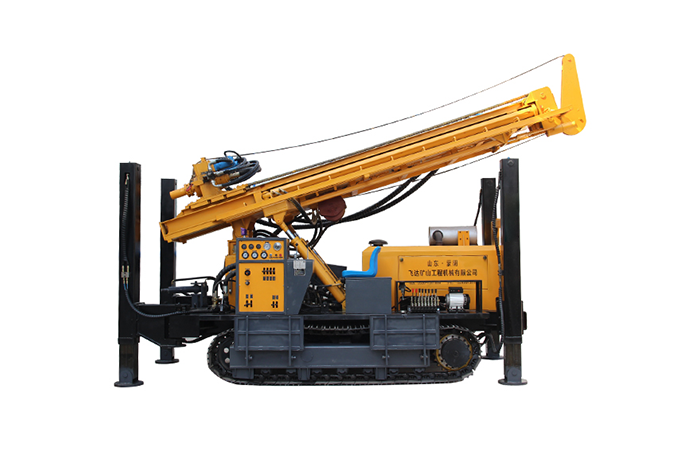
Medium depth wells (150–300m): Truck-mounted or crawler drilling rigs
Deep wells (300–600m+): Heavy-duty rotary or DTH drilling rigs
Larger diameters require rigs with higher torque and stronger rotary heads.
Domestic water supply
Agricultural irrigation
Industrial water wells
Geothermal or mining exploration
Different applications require different drilling capacities and configurations.
Best for: Rural areas, household wells, small projects
Advantages:
Lightweight and easy to transport
Low fuel consumption
Cost-effective for shallow drilling
Limitations:
Limited drilling depth
Not suitable for hard rock formations
Best for: Professional drilling contractors, medium to deep wells
Advantages:
High mobility and fast setup
Powerful drilling performance
Suitable for multiple geological conditions
Limitations:
Higher initial investment
Requires accessible roads
Best for: Mountains, soft ground, off-road conditions
Advantages:
Excellent stability
Strong adaptability to complex terrain
High drilling accuracy
Limitations:
Slower transportation speed
Higher maintenance cost
Best for: Hard rock, granite, basalt formations
Advantages:
Fast penetration rate
Straight and accurate boreholes
High efficiency in hard rock drilling
Limitations:
Higher air compressor requirements
Less suitable for loose soil
Geology plays a major role in drilling rig selection:
| Geological Condition | Recommended Rig Type |
|---|---|
| Soft soil / clay | Rotary drilling rig |
| Sand / gravel | Mud rotary drilling rig |
| Hard rock | DTH drilling rig |
| Mixed formations | Multi-function drilling rig |
Choosing the wrong rig for the ground condition can significantly increase drilling time and costs.
Ideal for remote areas
Strong power output
Widely used worldwide
Low noise and emissions
Lower operating costs
Suitable for sites with stable electricity supply
When choosing a water well drilling rig, consider not only the purchase price but also:
Fuel consumption
Maintenance and spare parts availability
Operator training
After-sales service and warranty
A reliable manufacturer with strong technical support can save you significant costs over time.
Multi-function drilling rigs are increasingly popular because they can:
Drill both water wells and geothermal wells
Handle mud rotary and DTH drilling
Adapt to various soil and rock conditions
They are an excellent choice for contractors who work on diverse projects.
To choose the right water well drilling rig:
Clearly define drilling depth and borehole diameter
Analyze geological conditions
Decide on mobility requirements
Match your budget with long-term operational efficiency
If you are unsure, consulting a professional water well drilling rig manufacturer can help you select a customized solution for your project.
Q: What is the best water well drilling rig for beginners?
A: A small hydraulic or portable drilling rig is ideal for beginners due to simple operation and lower cost.
Q: Which drilling rig is best for hard rock water wells?
A: A DTH water well drilling rig offers the highest efficiency in hard rock formations.
Q: How deep can a water well drilling rig drill?
A: Depending on the model, modern rigs can drill from 100 meters up to 600 meters or more.

Baichuan (Zhengzhou) Intelligent Equipment Manufacturing Co., Ltd.
Email:[email protected]