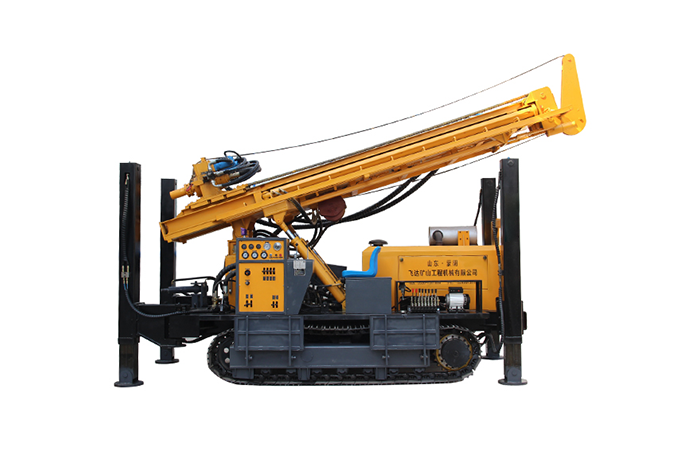
When selecting a water well drilling rig, it is essential to consider various factors such as drilling type, geological conditions, construction environment, and budget. The following is a systematic selection guide:
1. Define Drilling Requirements
Drilling Purpose
Domestic Water Wells: Shallow (less than 100 meters), small diameter (4–12 inches).
Agricultural irrigation/industrial water supply: Medium-deep (100–300 meters), medium diameter (8–16 inches).
Geothermal wells/oil exploration: Deep (over 300 meters), large diameter (over 16 inches).
Target Formation
Loose layers (sand, silt): Collapse prevention required; select rotary drilling rig or percussion drilling rig.
Rock layers (granite, basalt): High rock-breaking capacity required; select rotary drilling rig (core drilling) or down-the-hole hammer drilling rig.
Complex formations (gravel, sand): Casing required for wall protection; select fully hydraulic multi-functional drilling rig.
2. Key Selection Parameters
Drilling Capacity
Borehole Diameter: Select based on water demand (residential wells typically range from 6 to 12 inches).
Drilling Depth: The rated depth of the drilling rig should be 20% greater than the target depth (e.g., for a 100-meter well, select a 120-meter model).
Power System
Electric Drilling Rig: Suitable for sites with a stable power grid, low noise.
Diesel Drilling Rig: Preferred for field operations but has high fuel consumption.
Hydraulic System: Prioritize load-sensing hydraulic systems for energy efficiency and precise control.
Drilling Process
Mud Circulation: Suitable for loose formations, low-cost but high pollution risk.
Air hammer: Suitable for hard rock, requires an air compressor.
Casing follow-up: Prevents hole collapse in complex formations; select models equipped with casing drive devices.
Portability and Site
Vehicle-mounted drill rig: Easy to move, suitable for multiple well locations.
Modular drill rig: Suitable for narrow sites, but assembly takes time.
3. Precautions
Verify geological data: Confirm rock type and water level through geological reports or neighboring well data.
After-sales service: Give priority to brands with local agents to ensure the supply of spare parts.
Environmental protection requirements: In sensitive areas, choose low-noise, mud-free rotary drilling or air drilling rigs.

Baichuan (Zhengzhou) Intelligent Equipment Manufacturing Co., Ltd.
Email:[email protected]